Carbon fibre is only worth buying when it solves something concrete: a drone that will not carry payload, a robot arm that will not hold tolerance, a car part that failed a homologation test. Tell us what is stuck — we tell you whether carbon fibre is the right answer, and what it takes to make it.
Reply within one working day · DFM feedback before any price is quoted
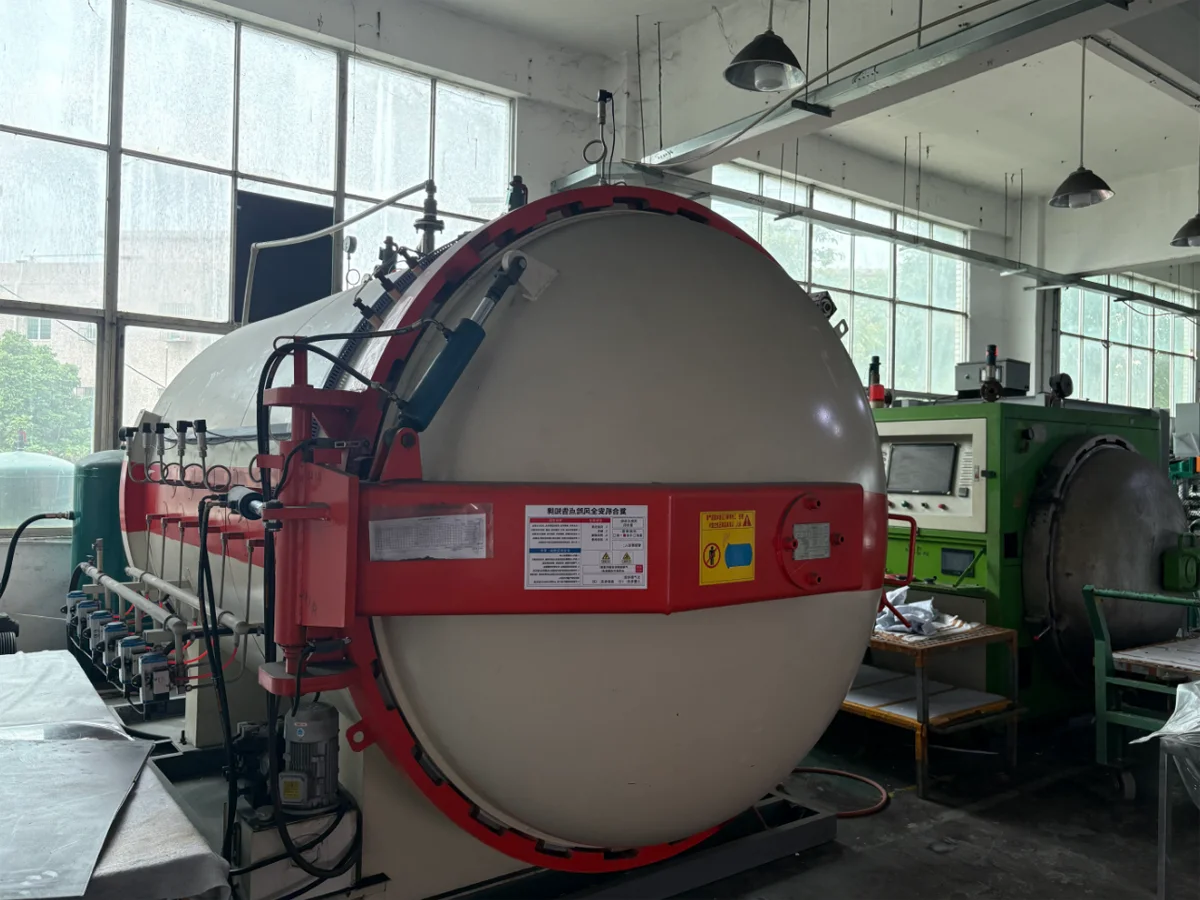
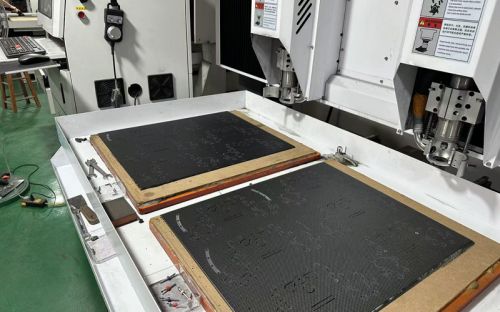
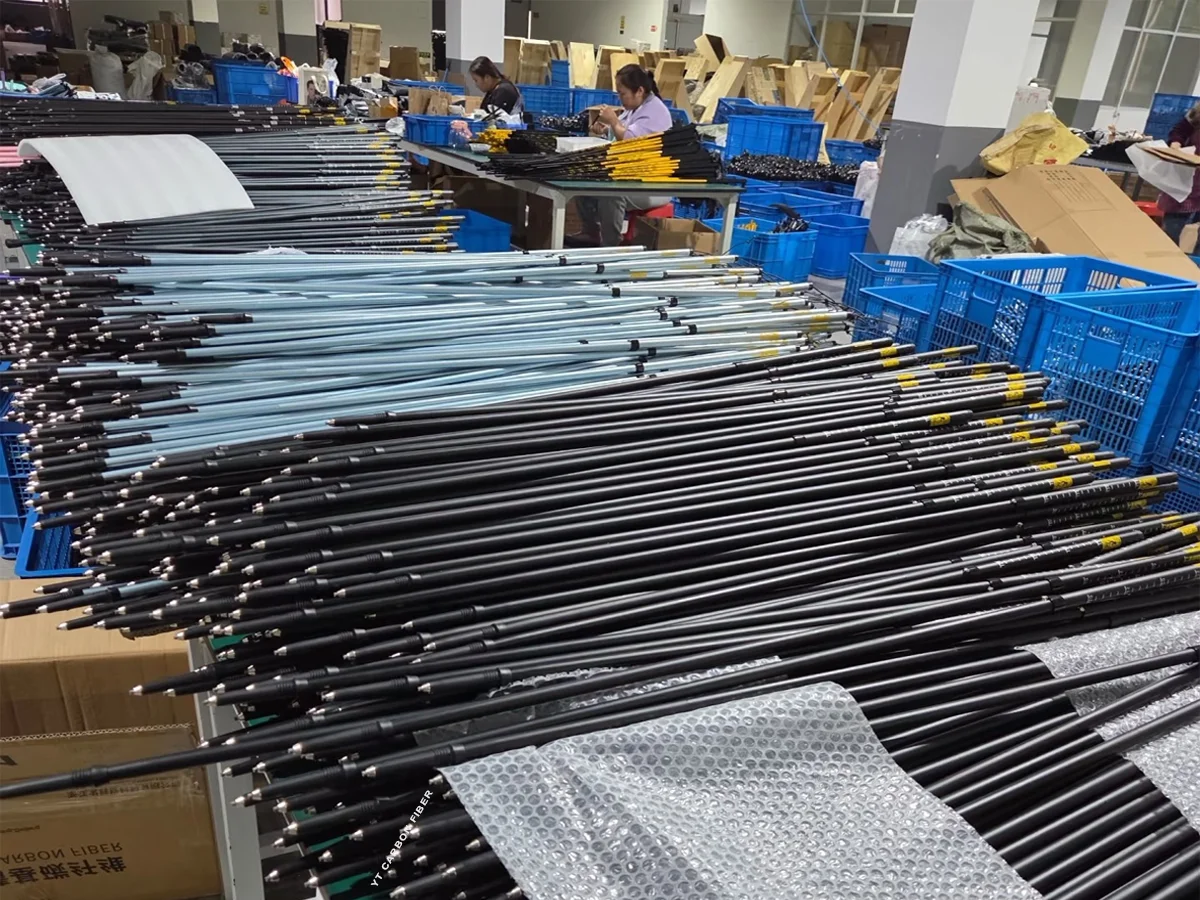
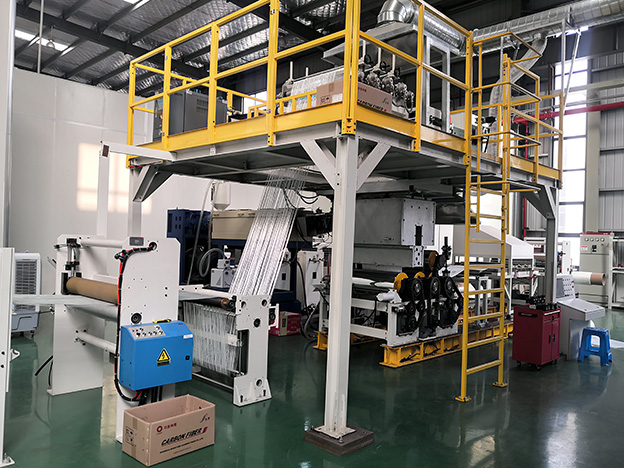
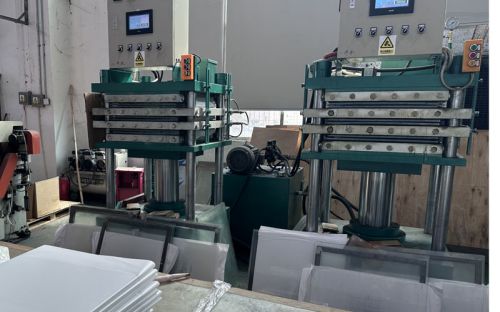
Hot press line in production. We photograph our own floor, not stock photography.
STAGE 03Product catalogues assume you already know what you want to buy. Most people arrive with a problem, not a part number. Start here — each entry is a situation we work on regularly, with the constraints that actually decide the outcome.
Drone frame, robot link, machine base — the weight budget is fixed and aluminium is eating it. We tell you how much you can actually save, and whether the saving is worth the change.
Stiffness is not the same as strength. If a hole is walking or a panel is bowing under load, material choice alone will not fix it. This is where ply direction and process selection matter.
One-off looks fine on a prototype. What happens at 500 pieces a month — tooling, cycle time, consistency between batches. We map the process route before you commit.
Send the 2D or 3D file. You get an engineering answer — can it be made, in what process, at what tolerance, with which material — before anyone talks about price.
Every caption below describes an operation we perform, and what it protects you from. The tolerance each stage has to hold is on the quality page, with the instrument used to measure it.
We read the drawing against your actual duty case, not just the geometry. Sharp internal corners, thin webs, impossible tolerances — we say so here, free, before you spend anything.
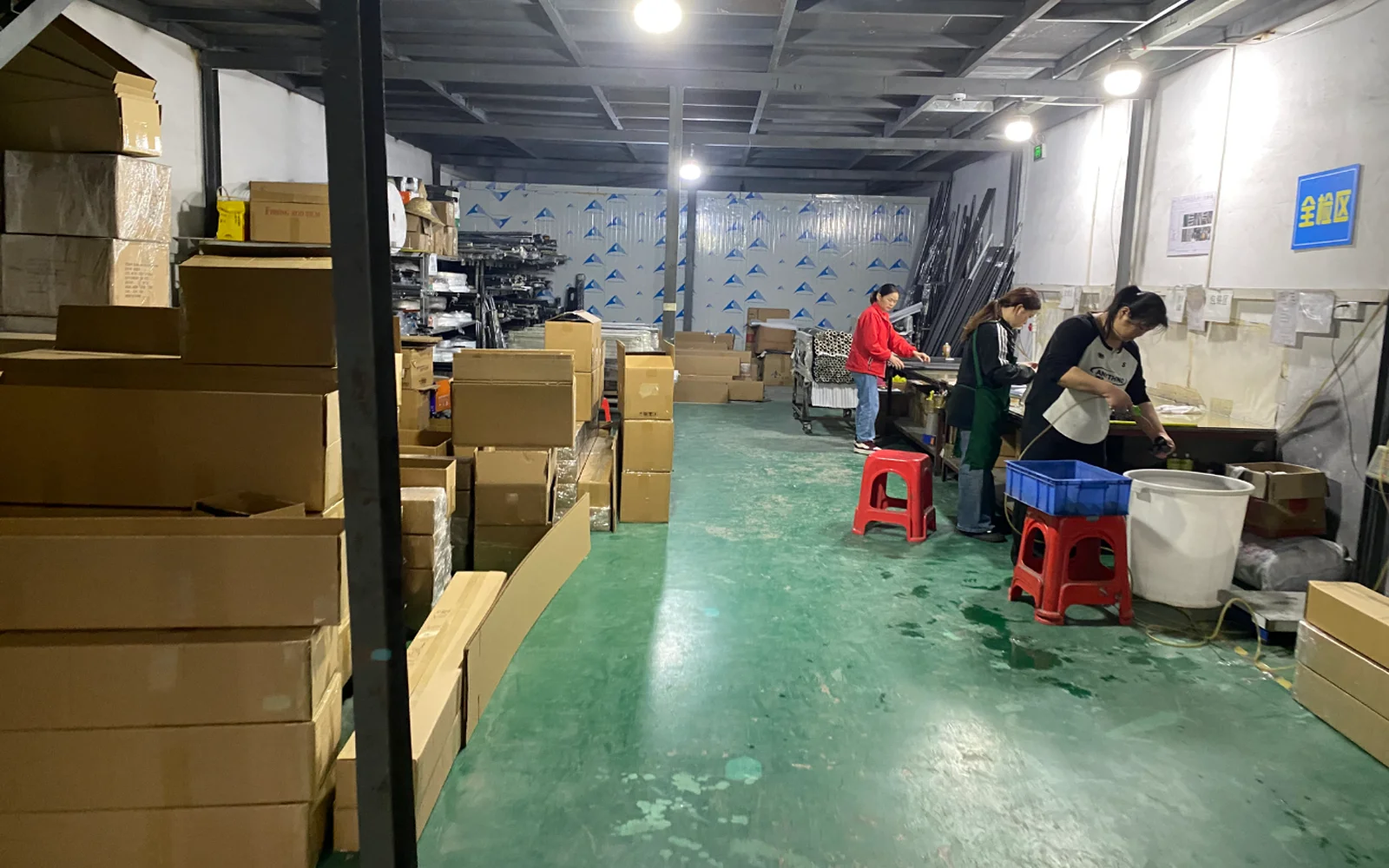
Production floor — the operation running at the time of the photograph
STAGE 01
Production floor — the operation running at the time of the photograph
STAGE 01Catches the 80% of problems that would otherwise become a rework charge.
A written record for this stage: what was checked, against which drawing revision, and the measured result.
Ply stack, orientation and cure cycle are planned from the load direction you describe. This is the step that decides stiffness — and it is decided before anyone cuts fabric.
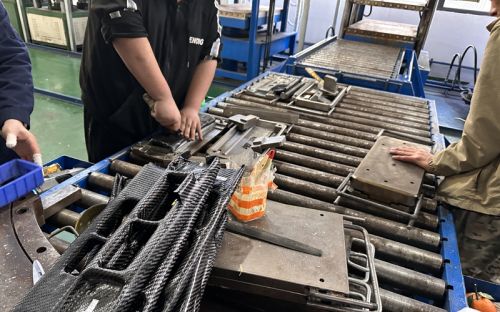
Forming — the part coming out of the tool
STAGE 02
Forming — the part coming out of the tool
STAGE 02Ply direction set against your real load case, not a default schedule.
A written record for this stage: what was checked, against which drawing revision, and the measured result.
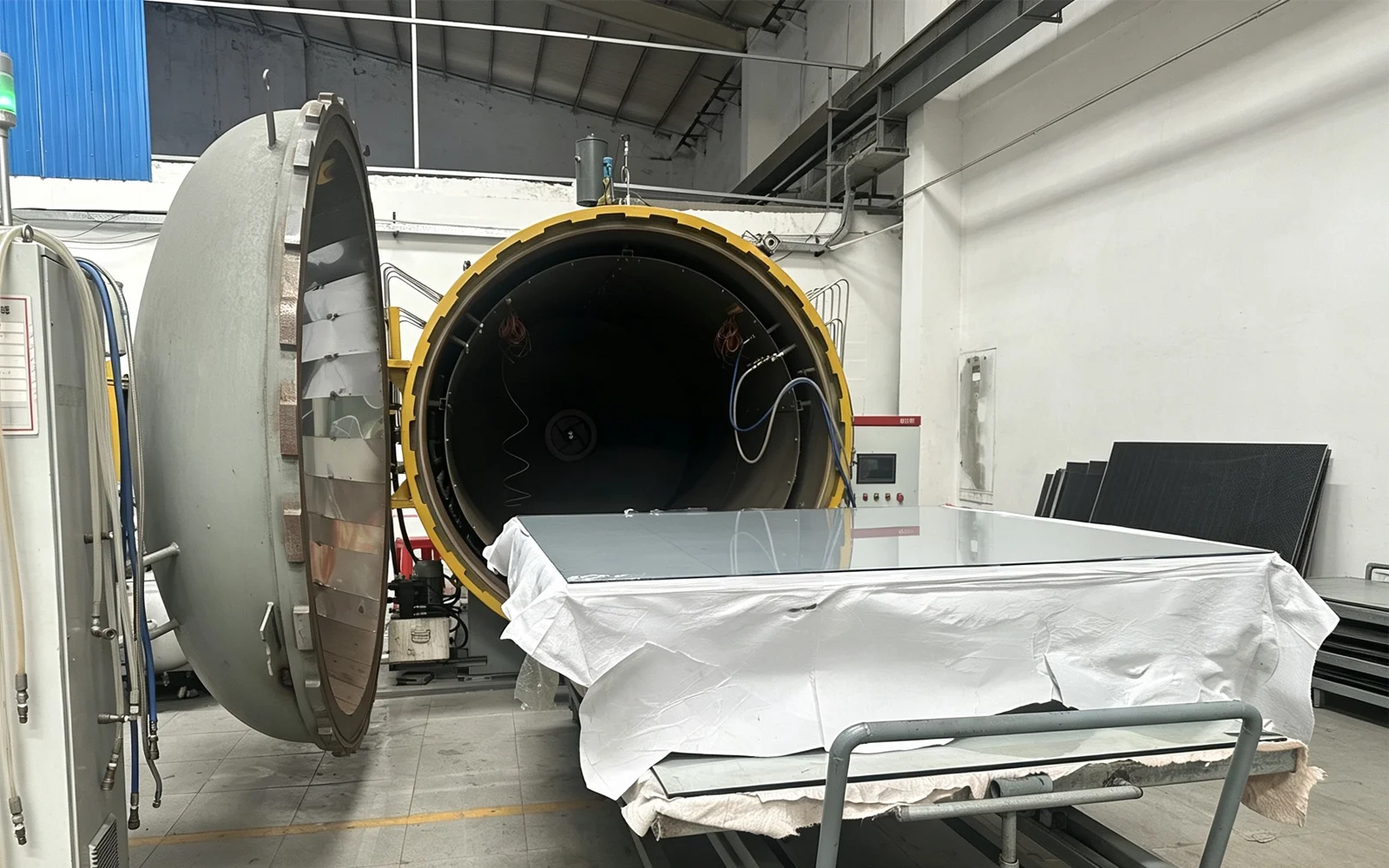
Hot press and autoclave forming for structural parts; moulding for repeat parts. We photograph the floor as it runs — that is the evidence on this page, not a stock image.
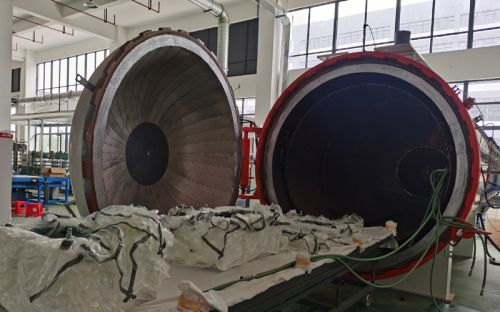
Autoclave curing — the vessel that holds the part to temperature and pressure
STAGE 03
Autoclave curing — the vessel that holds the part to temperature and pressure
STAGE 03Real floor photographs, captioned by the operation being performed.
A written record for this stage: what was checked, against which drawing revision, and the measured result.
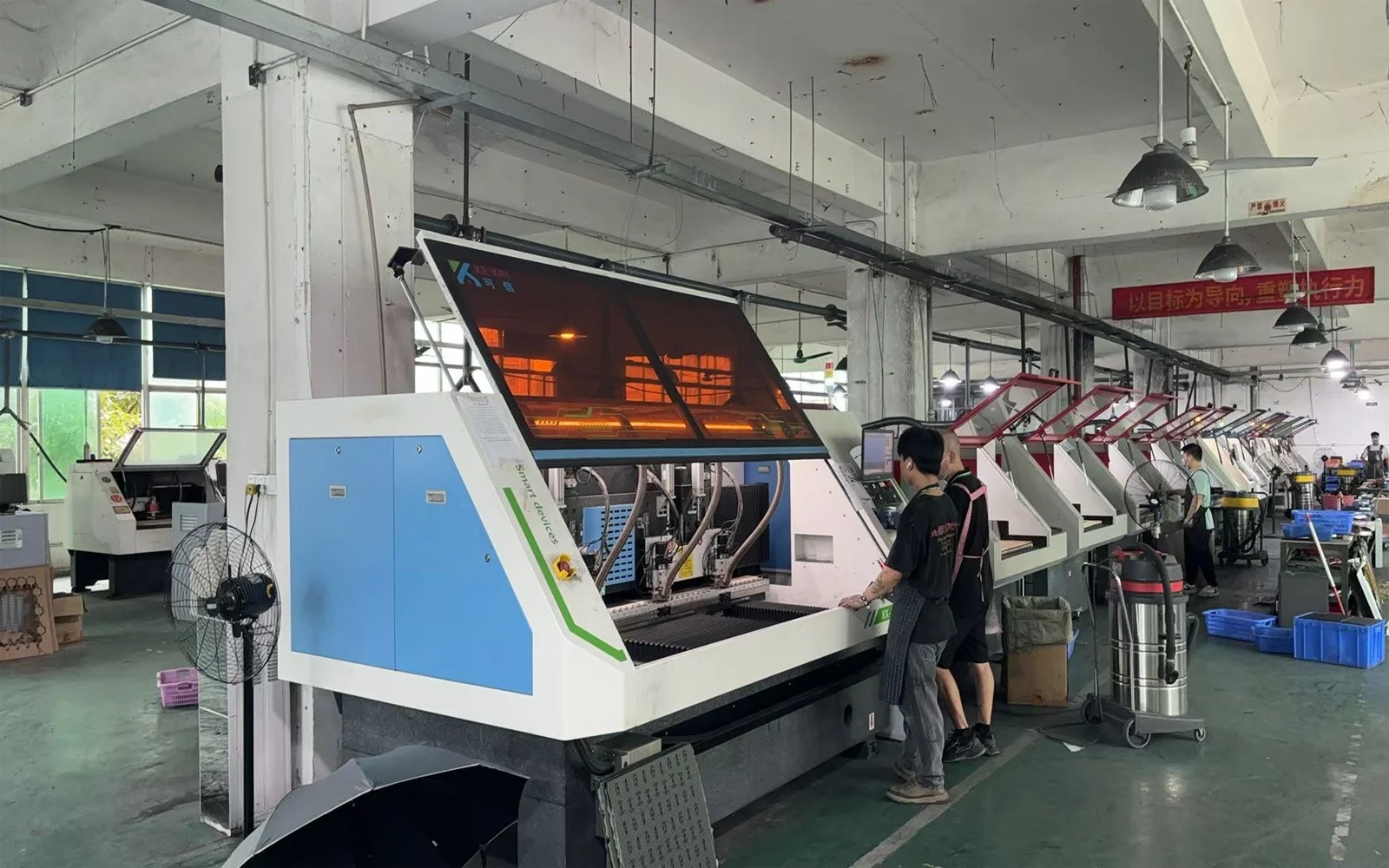
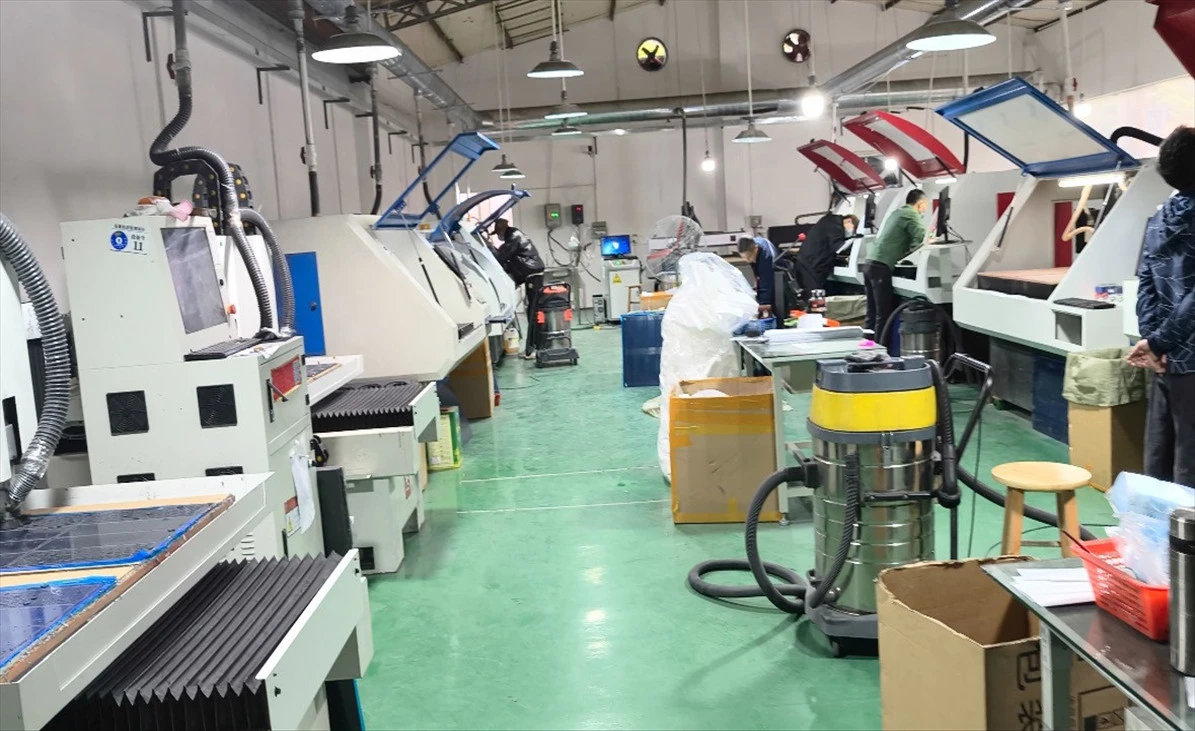
Holes, profiles, counterbores and tap positions machined from the formed blank. We control the entry edge and backing support so the laminate does not delaminate on exit.
CNC machining — profiles and hole positions cut to the drawing
STAGE 04
CNC machining — profiles and hole positions cut to the drawing
STAGE 04Entry edge, backing and dust handling treated as part of the process, not afterthoughts.
A written record for this stage: what was checked, against which drawing revision, and the measured result.
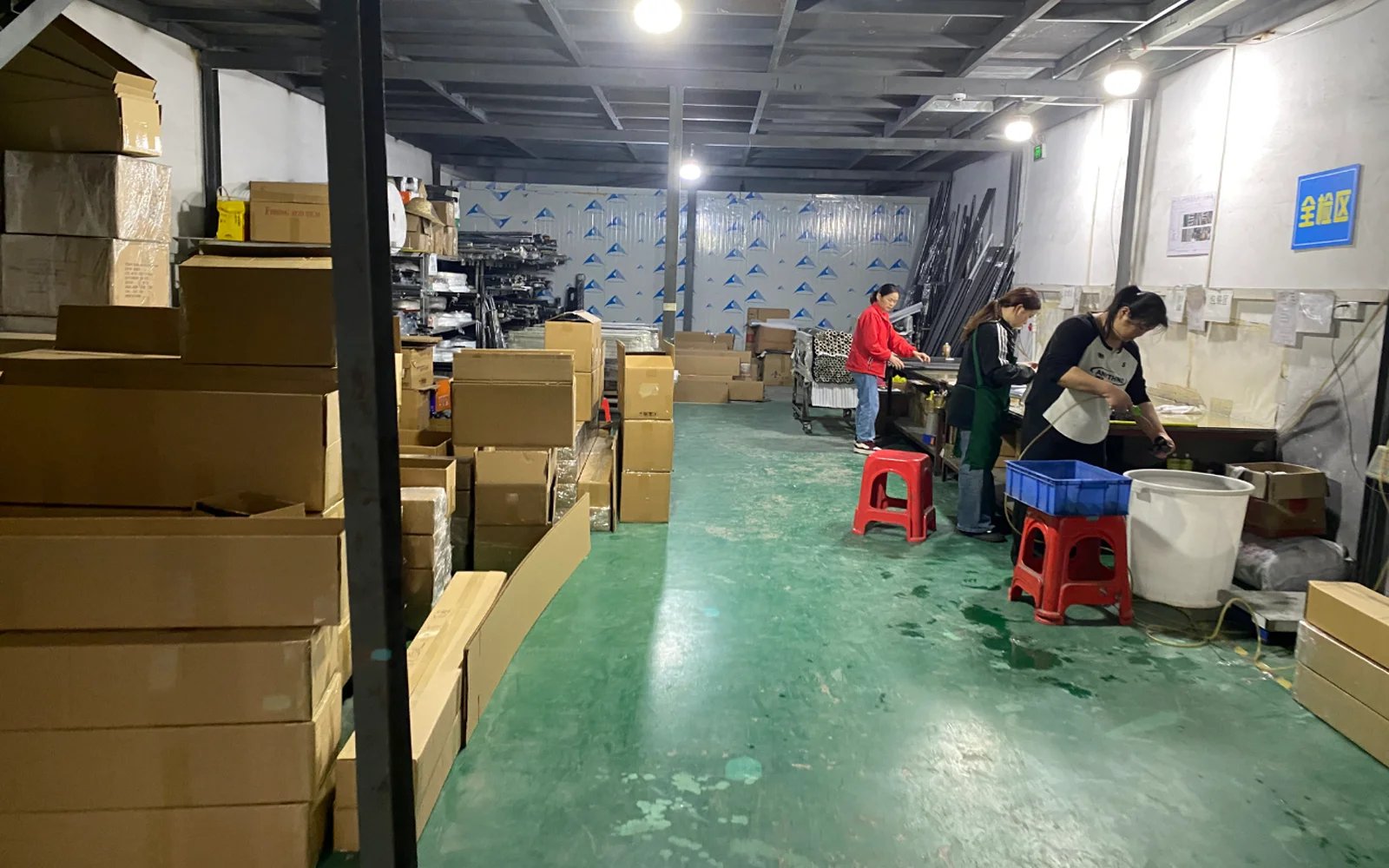
Critical dimensions measured and recorded against your drawing. Every batch carries a traceable number back to a machine, an operator and a cure record.
Inspection and despatch staging — every piece checked before it leaves
STAGE 05
Inspection and despatch staging — every piece checked before it leaves
STAGE 05A record you can show your own customer, not a generic certificate.
A written record for this stage: what was checked, against which drawing revision, and the measured result.
Each line solves a different problem and carries a different limitation. We list the limitation because a supplier who cannot say where the material stops working is not engineering for you — they are selling you a bad idea.

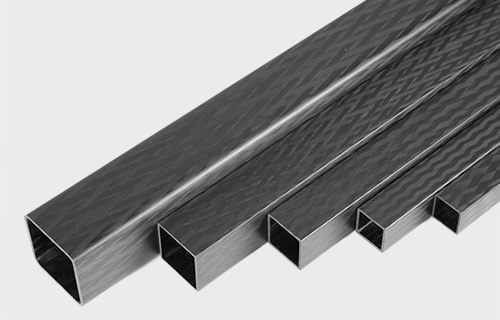
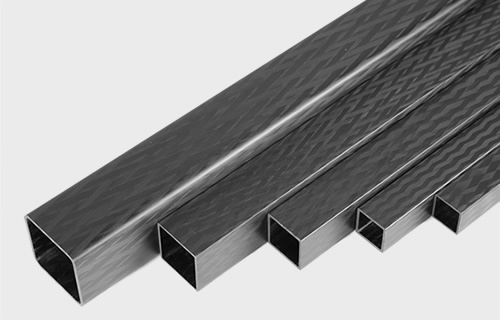
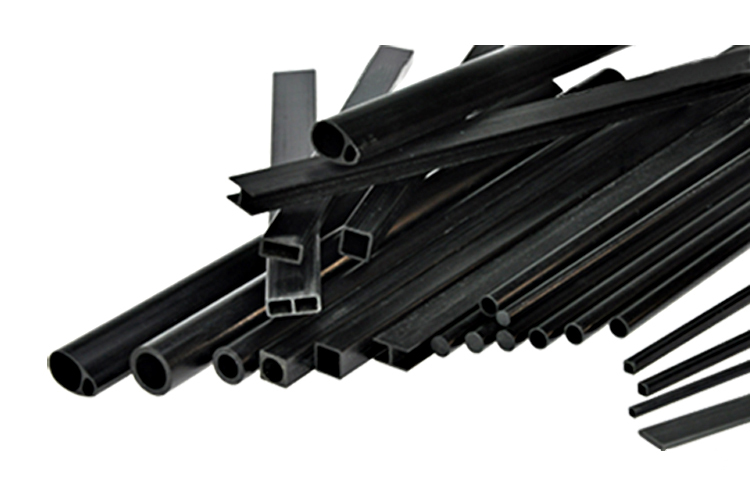
Roll-wrapped and pultruded tubes, rods and profiles. Cut, machined and finished to your lengths.

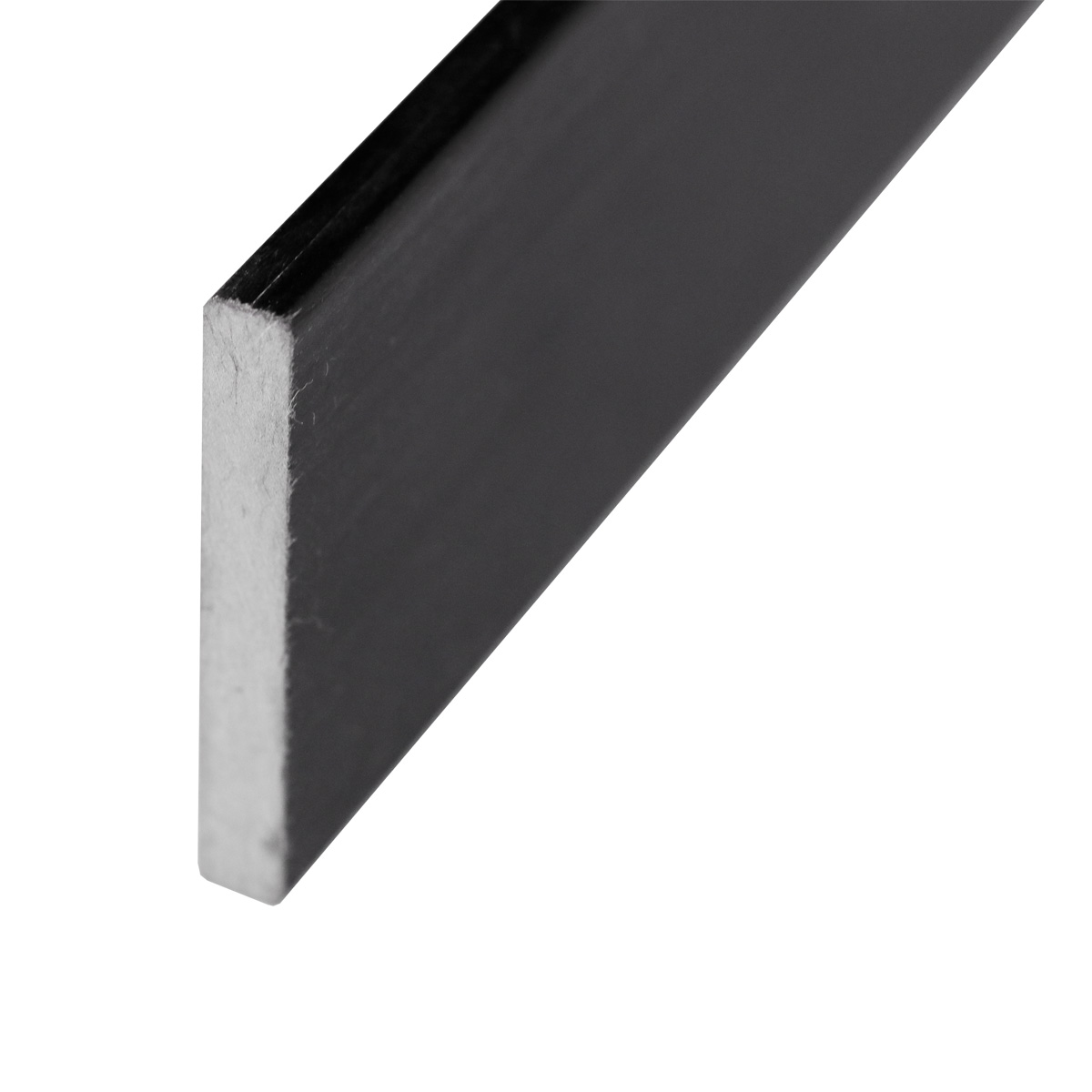
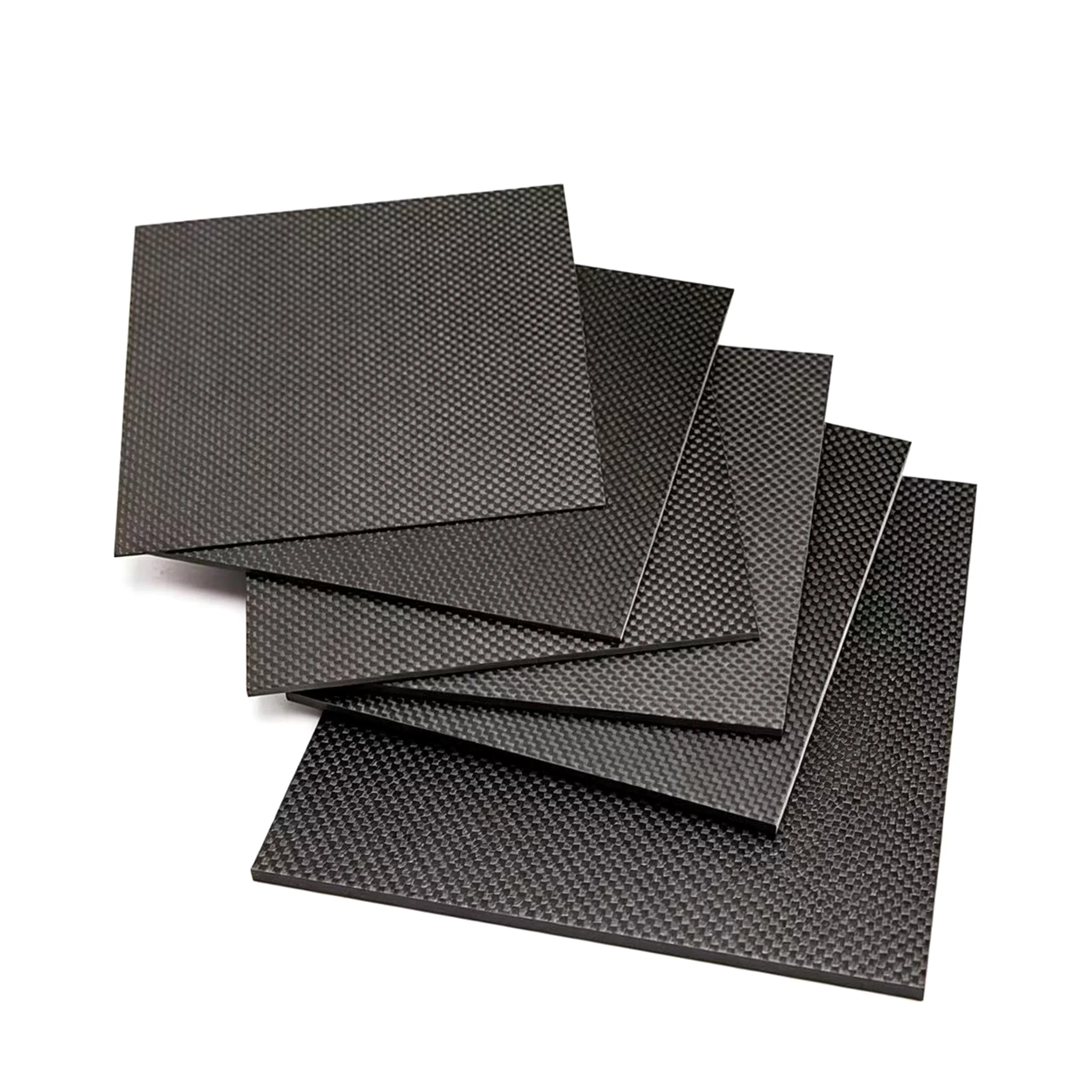
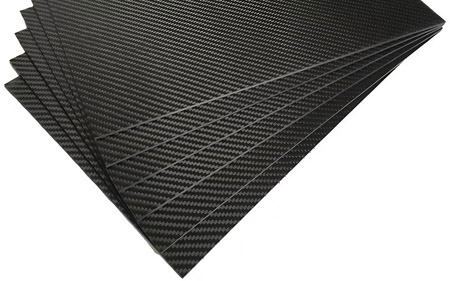
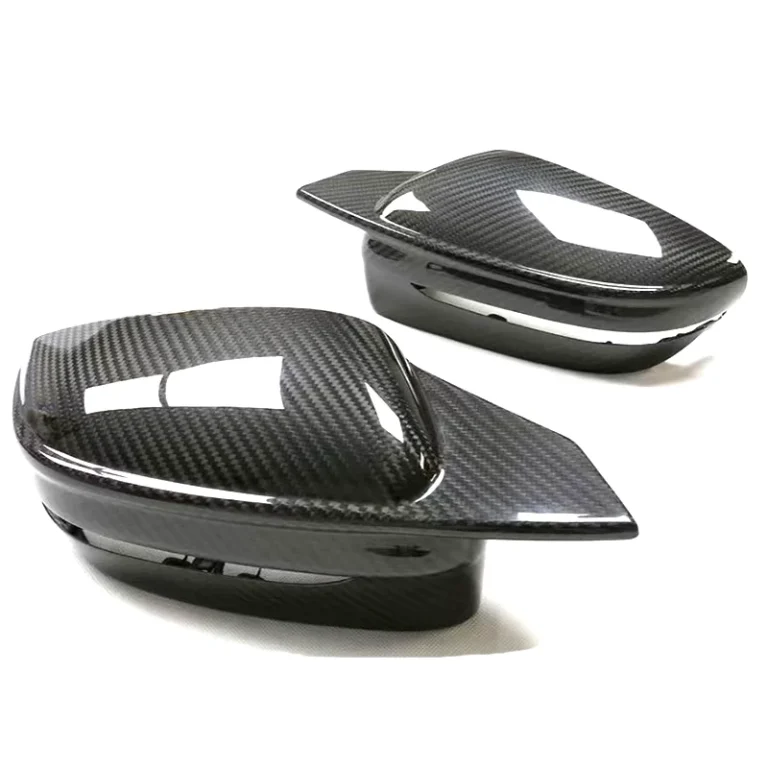
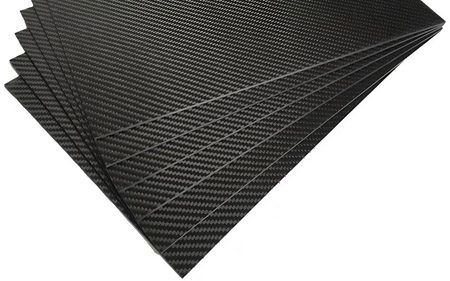
Flat sheet and profiled panels, machined to your holes and outlines. The workhorse of industrial use.

Compression and vacuum-formed parts where the shape repeats. The route that makes batch production affordable.

Drone frames, arms and plates, built around a specified ply stack and mass target.

Complex profiles, tight-hole patterns and non-standard geometry machined from formed blanks.

Constant-section profiles for frames and structures, produced as repeatable lengths.
Full range: all product lines →
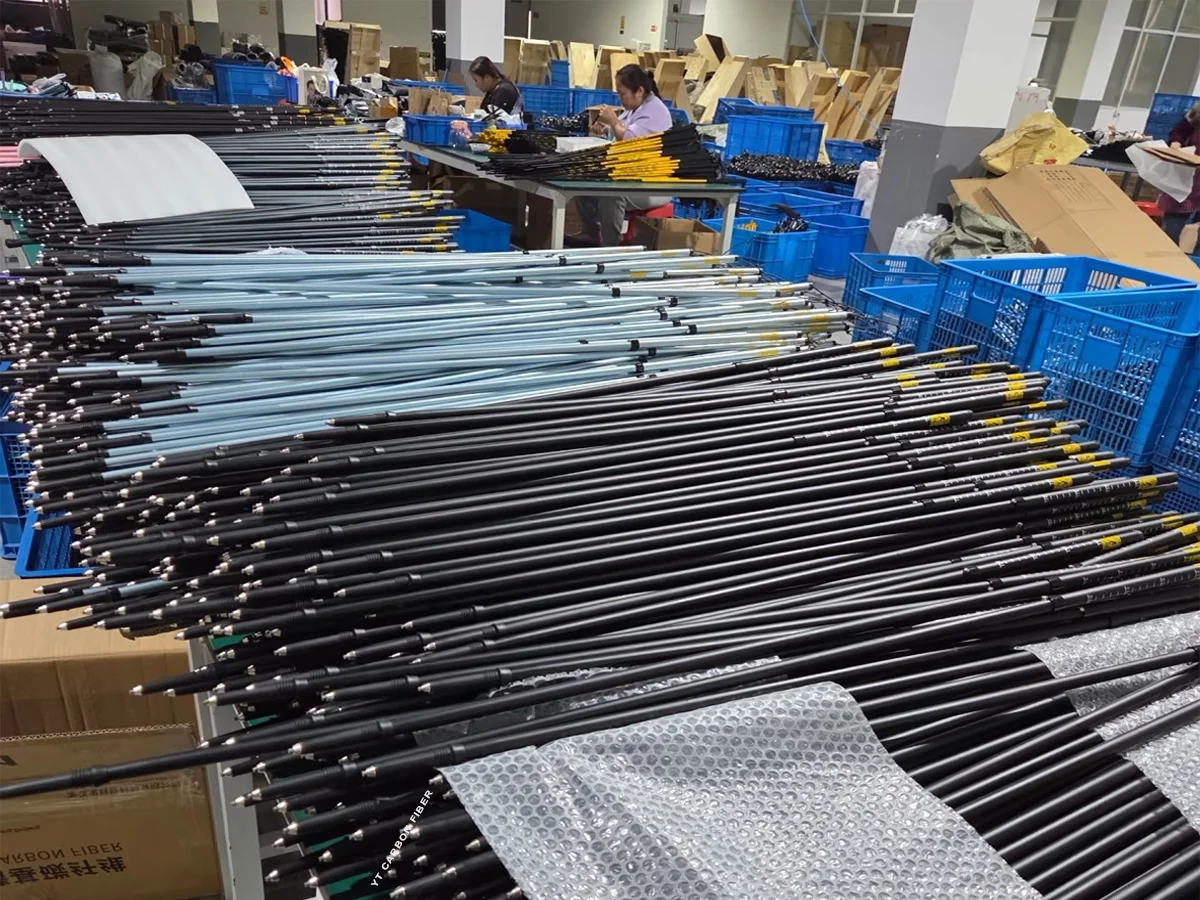
Ten views from the same site: hot press, autoclave, roll-wrapping, thermoplastic tape, tube storage and the inspection bench. Each one is captioned with the operation that was running when it was taken.
Hot press machine in production
SHOP FLOOR
Autoclave during a cure cycle
SHOP FLOOR
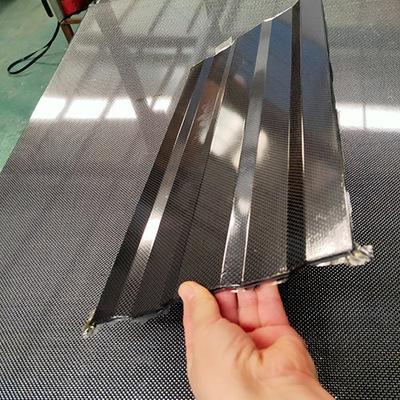
Carbon sheet at the hot press
SHOP FLOOR
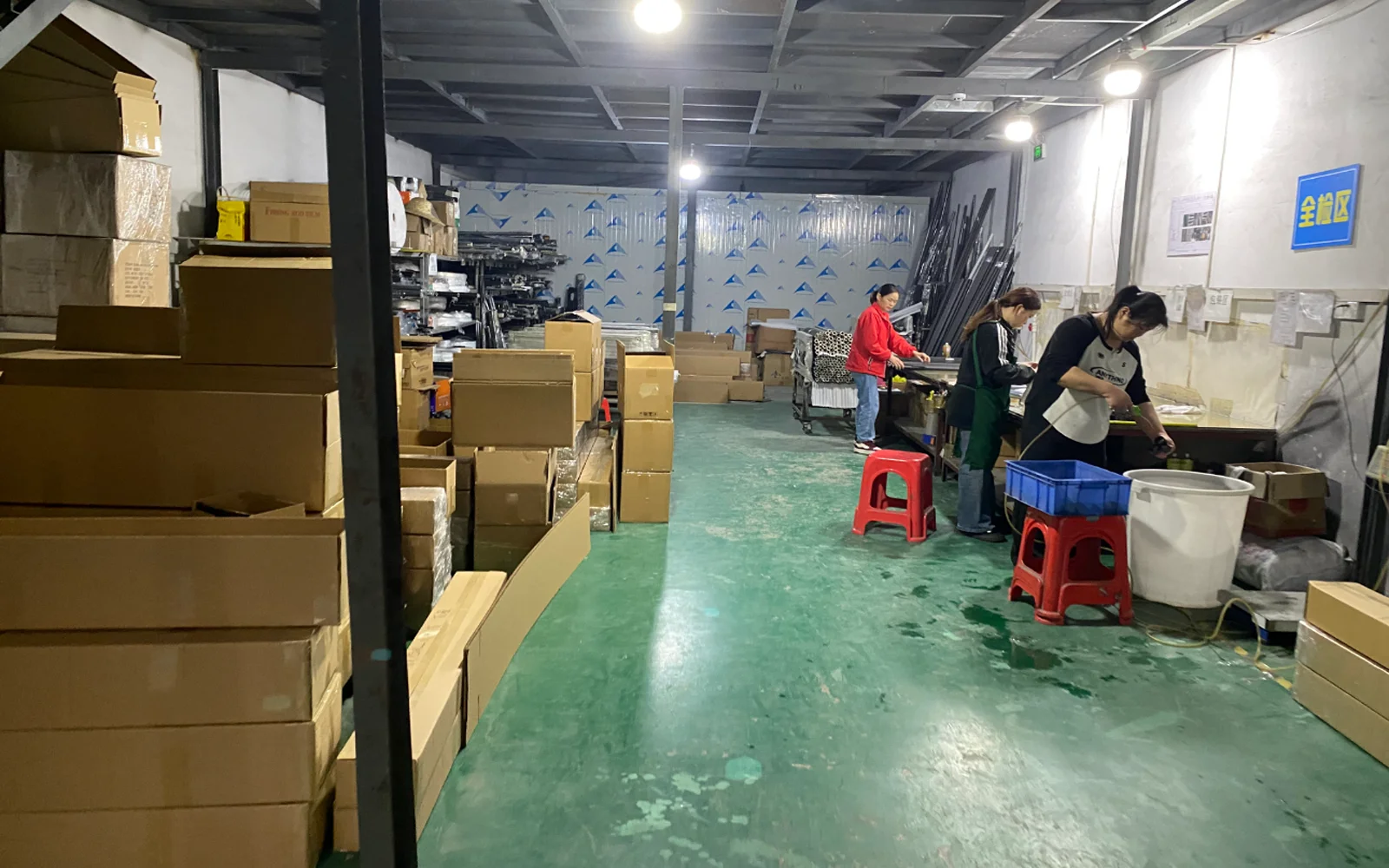
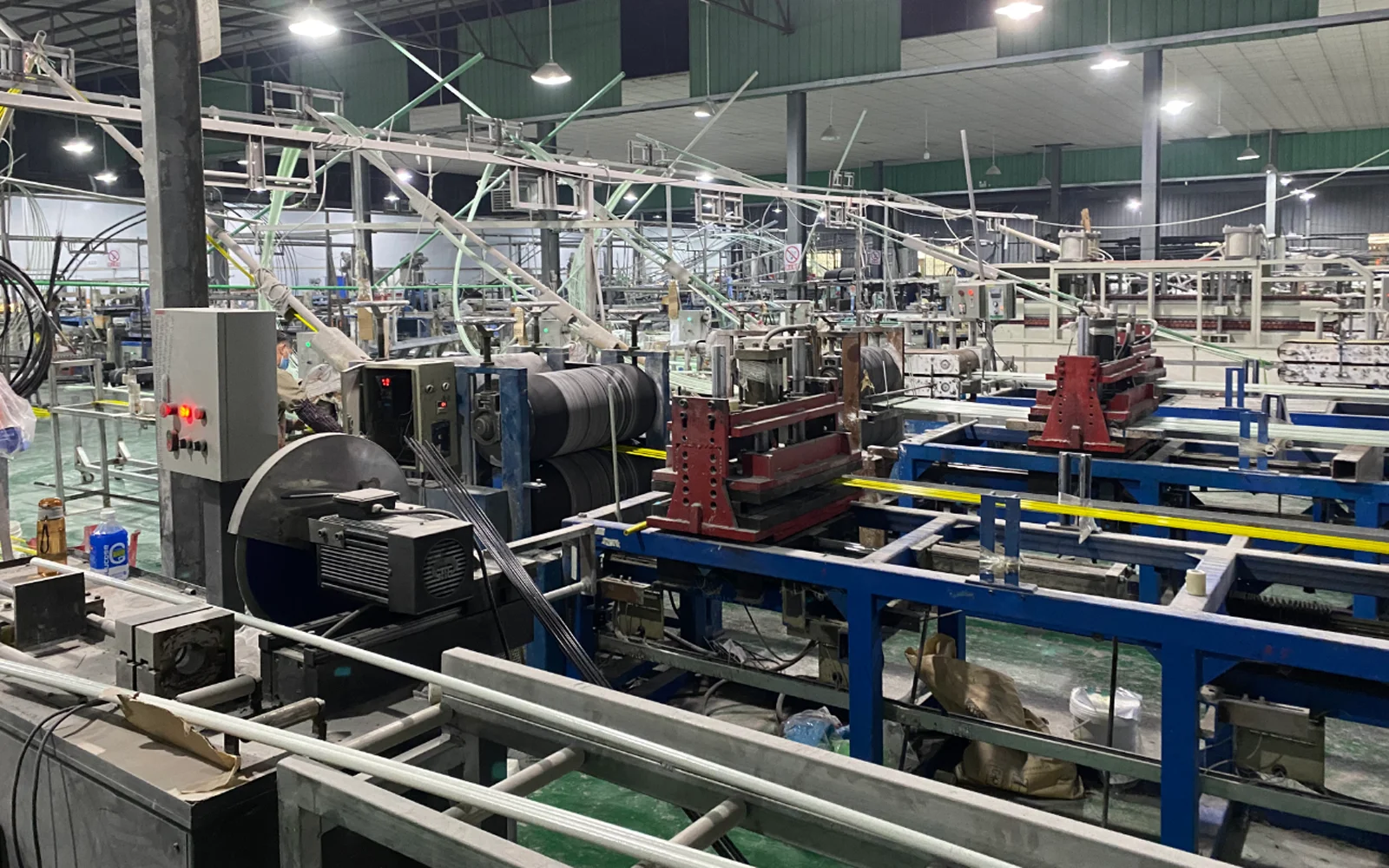
Production floor
SHOP FLOOR
Tube roll-wrapping in progress
SHOP FLOOR
Thermoplastic tape line
SHOP FLOOR
Tube stock on the rack
SHOP FLOOR
Inspection bench
SHOP FLOOR
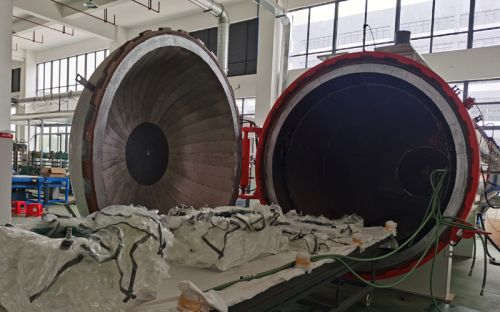
Autoclaves, side by side
SHOP FLOOR
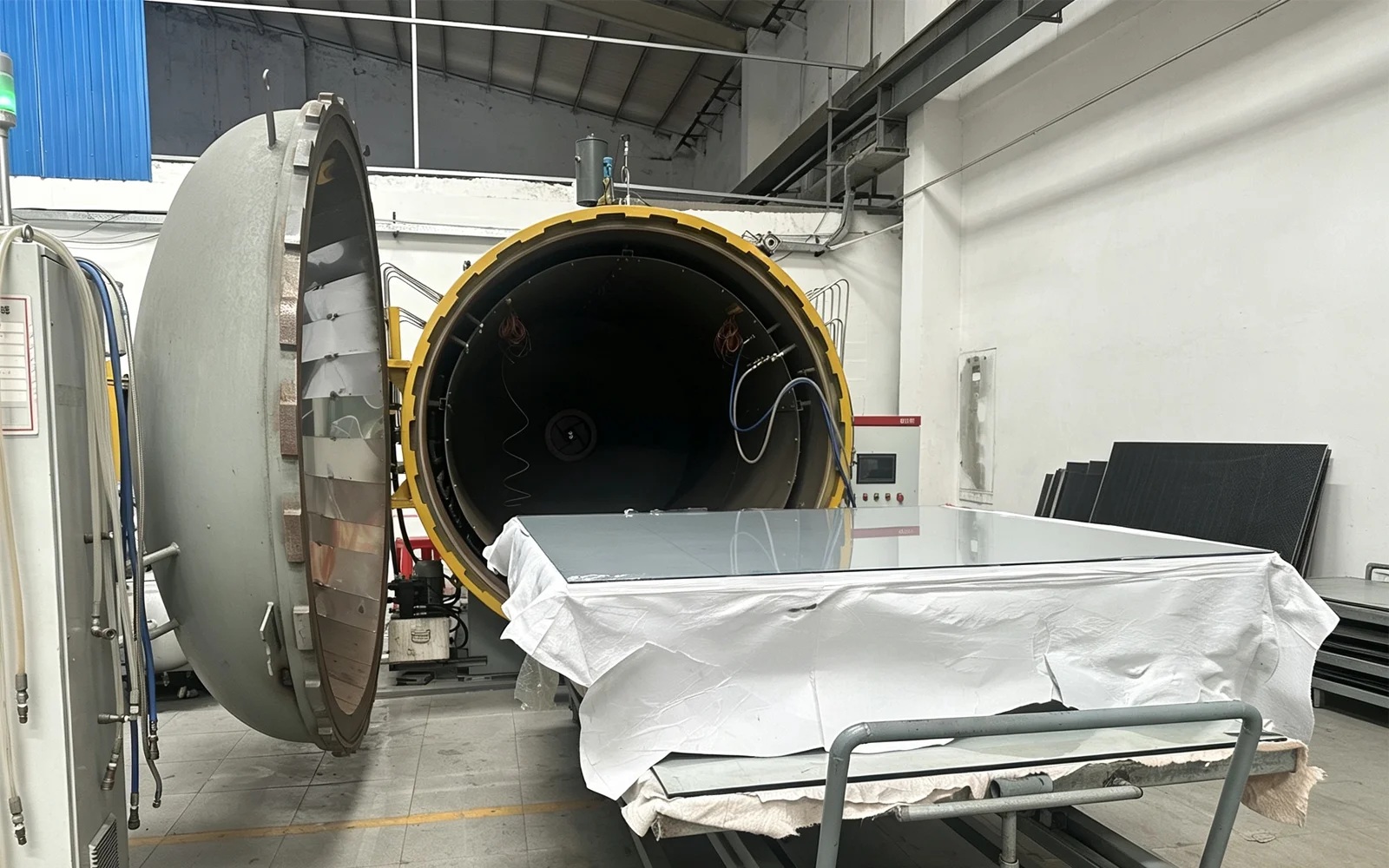
Autoclave door open
SHOP FLOOR
Moulded parts — released from the press and stacked
SHOP FLOOR
Moulded parts — released from the press and stacked
SHOP FLOOR
Extruded profiles
SHOP FLOOR
Extruded profiles
SHOP FLOOR
Tube roll wrapping — fibre wound onto the mandrel
SHOP FLOORA live video walk-through can be arranged before the first order — ask here →
Trust is not built by adjectives. It is built by giving the buyer something specific to verify. These are the six we put on the table.
Photographs of our own workshop, captioned by the operation running. A video walk-through is available on request — and we say no if we cannot show it.
Each production batch carries a number that traces back to the material lot, the machine, the operator and the cure record.
Measured results for the critical dimensions of your part, recorded against your drawing revision before the batch is released.
Every line on this site carries what it is not suitable for. If your duty case falls outside it, we tell you — and sometimes we tell you to use aluminium.
Real feedback published as written, including the batch where straightness moved at high volume. We do not edit quotations into praise.
Video verification or a physical visit before the first order. If the audit is uncomfortable, that is exactly why we offer it.
A supplier who accepts everything is not engineering for you. Here is where we say no — and what we suggest instead.
Structural parts under a certification we cannot evidence. If your application is safety-critical and we cannot show the relevant approval, we refer you to a supplier that holds it.
A single complex part with no repeat volume. Tooling will exceed the part value. Aluminium or a glass-fibre hybrid is usually the honest answer — we will tell you so.
Tolerances a laminate cannot hold. Very tight hole positions on a thin, flat panel are a forming problem. We will tell you which dimension has to move, and by how much.
Assembly, coating and surface finishing beyond composite work. We quote what we can actually be held to for.
Full list: what we do not do →
Send a photo, a drawing, or a paragraph describing where your current part is failing. We reply within one working day with what we would do about it — including the cases where the answer is that carbon fibre is not the right material.
You do not need all four. Item 1 alone is enough for us to start.